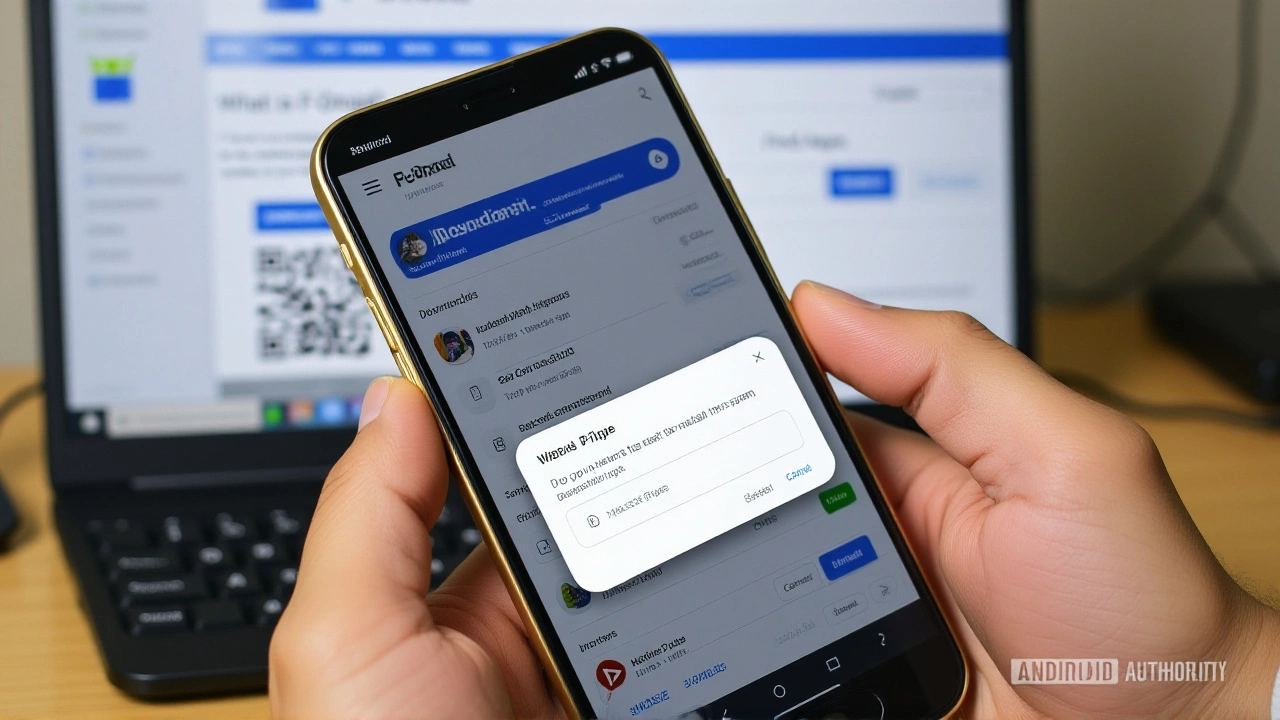
When Sundar Pichai, CEO of Google, announced the latest shift in mobile security, it wasn’t just a tweak to settings—it was a fundamental change to how we trust software on our phones. Starting in 2026, installing apps from unverified developers on certified Android devices will no longer be a quick tap-and-go affair. Instead, users face a mandatory 24-hour waiting period, a multi-step friction process designed to break the spell of scammer urgency.
The twist is that this isn't just about blocking bad actors; it’s about forcing a pause. Google has long prided itself on Android’s openness, but with social engineering scams costing billions globally, the open door is being fitted with a heavy lock. Here’s what you need to know before your favorite third-party apps stop working as expected.
The Six-Step Gauntlet for Sideloading
If you’re used to downloading an APK file and hitting install, prepare for a reality check. The new "advanced" sideloading flow is intentionally tedious. It kicks off in August 2026, according to reports from The Times of India and Android Authority. You can’t just toggle a switch anymore.
First, you have to manually enable Developer Mode by tapping the build number seven times in system settings—a familiar ritual for tech enthusiasts, but a hurdle for casual users. Next, the phone asks if you’re being coerced. Yes, literally. An alert will ask if someone is guiding you through disabling protections, a direct countermeasure against scammers who talk victims through bypassing security.
Then comes the kicker: restart your phone. This cuts off any active calls or remote access sessions scammers might be using. After rebooting, you hit the wall—the mandatory 24-hour wait. Google calls this a "protective waiting period." As they put it, "Scammers rely on manufactured urgency, so this breaks their spell and gives you time to think." Only after sitting on your hands for a full day can you re-authenticate via fingerprint or PIN and finally choose between a seven-day window or indefinite access to unverified installs.
Developer Verification Becomes Mandatory
This user-side friction is paired with a stricter requirement for creators. Starting in 2026, all apps installed on certified Android devices must be registered to a verified developer. The rollout is staged:
- October 2025: Early access to the verification system begins with invitations sent out gradually.
- March 2026: Verification opens for all developers globally.
- September 2026: Requirements go into effect in Brazil, Indonesia, Singapore, and Thailand.
- 2027 and beyond: Global enforcement expands to all remaining markets.
Why these countries first? They are hotspots for digital fraud. By targeting regions where scams are most prevalent, Google aims to reduce the attack surface where it hurts most. For hobbyist developers sharing apps with friends, there’s a small lifeline: a "limited distribution" account allows sharing with up to 20 devices without full verification. But for anyone else, identity proof is now non-negotiable.
Impact on Android TV and Third-Party Stores
The changes don’t stop at smartphones. If you own a Google TV or Android TV device, brace yourself. Reports indicate that starting in late 2026, sideloading of unverified apps will be blocked entirely on these platforms. Unlike phones, which offer a difficult path, TVs may simply refuse to install uncertified software.
This means popular third-party streaming apps that haven’t gone through Google’s verification process could vanish from your living room screen. Users who rely on niche apps not available on the Play Store will find themselves locked out unless those developers comply with the new rules. The message is clear: if it runs Google services, it’ll be affected.
What Experts Are Saying
Security analysts view this as a necessary evil. "It’s a significant trade-off between convenience and safety," notes one cybersecurity researcher. "But given the rise of real-time social engineering attacks, adding friction is the only way to stop people from handing over their bank details while on a call with a scammer."
Critics, however, worry about innovation stifling. Small indie developers may struggle with the verification overhead, potentially consolidating power further toward large studios that can afford compliance teams. The 20-device limit for hobbyists feels generous until you realize many beta testers exceed that number quickly.
Timeline and What’s Next
The clock is ticking. With early access launching in October 2025, developers have less than a year to get their credentials in order. For users, the immediate impact won’t be felt until August 2026, but the cultural shift toward verified-only ecosystems is already underway. Keep an eye on your device updates—once the flag flips, the old days of easy sideloading are officially over.
Frequently Asked Questions
When do the new Android sideloading rules take effect?
The advanced sideloading flow for users begins in August 2026. However, the developer verification requirements start rolling out regionally in September 2026, beginning with Brazil, Indonesia, Singapore, and Thailand. Global enforcement is expected from 2027 onwards.
Why is there a 24-hour waiting period?
Google introduced the 24-hour lock to combat social engineering scams. Scammers often create a sense of urgency to trick users into installing malicious apps immediately. The waiting period forces a pause, allowing users to reconsider and seek advice, breaking the coercive cycle.
Can I still sideload apps after the changes?
Yes, but it’s much harder. You must complete a six-step process including enabling developer mode, confirming you aren’t being coached, restarting your phone, waiting 24 hours, and re-authenticating. Once completed, you can choose a seven-day or indefinite window for unverified installs on that specific device.
How does this affect Android TV users?
Android TV and Google TV users will face stricter restrictions. Starting in late 2026, sideloading unverified apps may be blocked entirely on these devices. Unlike phones, which allow a difficult workaround, TVs might simply refuse to install any app that hasn’t been verified by Google.
What is the limit for hobbyist app distribution?
Hobbyist developers who do not verify their identity can distribute their apps to a maximum of 20 devices. This "limited distribution" account is designed for sharing with friends and family but caps out strictly at 20 installations per app.